
How 5G is Changing Mobile App Performance in 2025
Explore how 5G is transforming mobile app performance in 2025 with faster speeds, lower latency, and cutting-edge capabilities. This blog covers real-time app interactions, edge computing, IoT integration, and cloud-native development trends. Perfect for tech founders, app developers, and business leaders exploring mobile innovation.
Prajam
4/18/20251 min read
How 5G is Changing Mobile App Performance in 2025
The rollout of 5G has brought a seismic shift in how mobile apps are built, experienced, and scaled. In 2025, 5G is not just about speed—it’s about unlocking potential that was previously impossible on mobile networks.
1. Ultra-Fast Speeds and Lower Latency
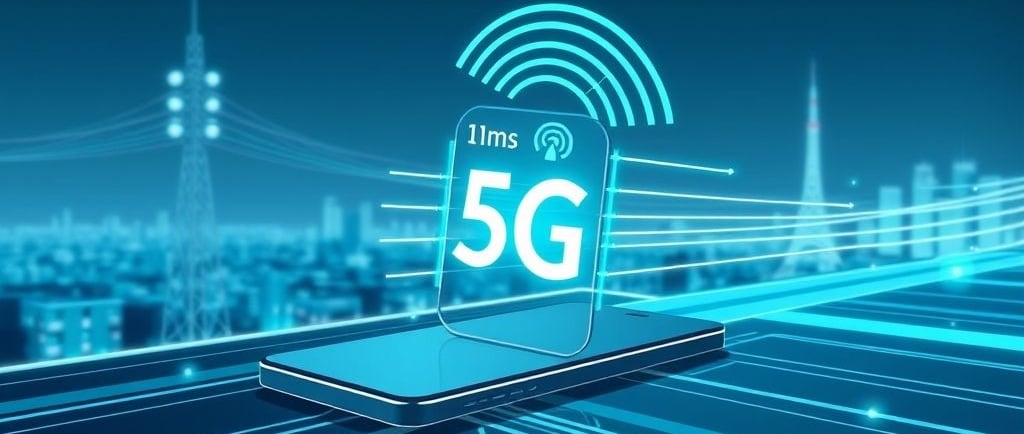
5G delivers up to 100x faster speeds than 4G and reduces latency to under 1 millisecond. This means mobile apps can handle real-time communication, live streaming, gaming, and AR/VR without delays or buffering.
2. Edge Computing Integration
Apps now process data closer to the user, resulting in quicker response times and reduced server load. This enables smoother UX and real-time personalization, especially in fintech, healthcare, and IoT-based apps.
3. Bigger, Smarter Features
High-speed connections mean apps can now include large-scale functionalities—HD content streaming, 3D rendering, live collaboration, and advanced AI processing—without compromising performance.
4. IoT and Always-On Connectivity
With 5G, mobile apps are increasingly integrated into smart environments—cars, homes, factories, and cities. The seamless connection boosts cross-platform communication and supports smarter automation systems.
5. The Rise of Cloud-Native Apps
5G paves the way for cloud-first mobile app development. Lighter apps, faster updates, and serverless processing are becoming the norm, allowing for better scalability and lower device dependency.
Conclusion:
5G is not just enhancing mobile app performance—it’s redefining the boundaries. Businesses that adapt quickly will stay competitive, innovate faster, and deliver experiences users didn’t even know were possible